
After an auto accident, emotions run high. It’s easy to feel confused or overwhelmed. In the rush to check everyone’s safety and address vehicle damage, properly documenting the incident often gets overlooked.
But what you do in those first minutes after a crash matters. A complete accident report can make or break your insurance claim. It helps determine who was at fault. And if you’re a driver who’s had trouble getting insurance before, getting the report right is even more critical.
Let’s walk through exactly what information you need to gather.
Why This Matters for Drivers with MAIF Insurance
If you have MAIF car insurance through the Maryland Auto Insurance Fund, you’re already driving with coverage designed for drivers who’ve been turned down elsewhere. That’s a good thing.
But if you’re in an accident, your claim needs to be handled correctly. A clear, detailed accident report helps your MAIF insurance claim move through the system faster. It reduces the chance of disputes. And it makes sure you get the coverage you’re paying for.
So let’s get specific about what you need to document.
Basic Details About the Accident
Start with the facts. Write these down right away while they’re fresh in your mind:
- Date and time of the accident
- Exact location (street names, intersections, mile markers, or nearby landmarks)
- Weather and road conditions (rain, fog, ice, poor lighting, construction)
Then write a short description of what happened. Stick to facts, not opinions. Don’t say “the other driver was speeding.” Say “the other driver was traveling approximately 50 mph in a 35 mph zone.” Describe the direction of travel, the speed of traffic, and what happened right before and after the collision.
Driver and Vehicle Information
You need accurate information from every driver involved. Don’t rely on memory. Write it down or take a photo of their documents.
For each driver, collect:
- Full name
- Address
- Phone number
- Driver’s license number
- Insurance company name
- Insurance policy number
For each vehicle, collect:
- Make, model, year, and color
- License plate number
- Vehicle identification number (VIN) (take a photo through the windshield)
- Owner’s name (if different from the driver)
If you have MAIF insurance, make sure the other driver’s information is complete. Any missing details can delay your claim.
Injuries and Medical Information
Document any injuries, even if they seem minor. Some injuries, like whiplash or internal bruising, don’t show symptoms right away.
Note down:
- Any pain, discomfort, or visible injuries you or your passengers have
- Whether emergency medical services were called
- Which agency responded (local police, state police, ambulance service)
- Whether anyone was taken to a hospital
Even if no one seems hurt, write that down too. It creates an accurate record. If someone claims an injury days later, you have documentation of what was observed at the scene.
If you’re on MAIF car insurance, medical costs from an accident are covered under your personal injury protection (PIP) up to your policy limits. A good accident report helps make sure those claims are processed correctly.
Witness and Law Enforcement Details
Witnesses can be the difference between a claim that’s approved and one that’s disputed. If anyone saw what happened, get their information.
For each witness, collect:
- Full name
- Phone number
- Address (if they’re willing to share)
Independent witnesses are especially valuable. They have no stake in the outcome and can provide an unbiased account.
If police respond to the scene, get:
- Responding officer’s name
- Badge number
- Agency (city police, county sheriff, state police)
- Police report or case number
This information lets your MAIF insurance provider request an official copy of the police report, which can strengthen your claim.
Damage and Supporting Evidence
Don’t rely on memory or written descriptions alone. Photos and videos are your best evidence.
Take pictures of:
- All vehicles involved, from multiple angles
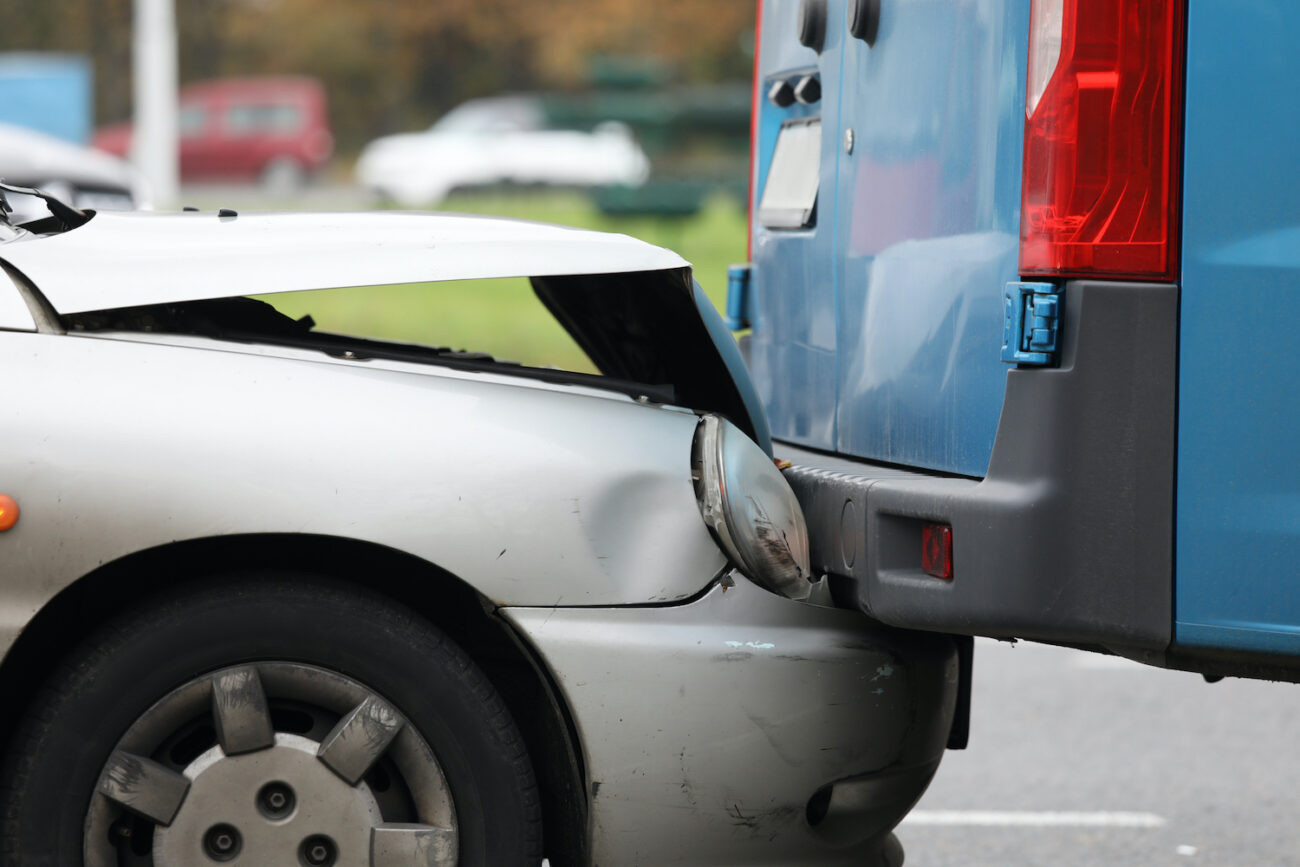
- Damage to each vehicle (close-ups and wide shots)
- The accident scene (showing where vehicles came to rest)
- Skid marks on the road
- Traffic signs, signals, and road conditions
- Any damage to property (guardrails, signs, buildings)
If you can, sketch a simple diagram of the accident. Show direction of travel, where each vehicle was positioned, and any traffic controls.
This visual evidence is incredibly helpful when filing your MAIF insurance claim. It backs up your written description and can resolve disputes about what actually happened.
What NOT to Do at the Scene
Just as important as what to do is what to avoid.
- Don’t admit fault. Even saying “I’m sorry” can be interpreted as an admission. Let the police and insurance companies determine fault based on the facts.
- Don’t agree to settle at the scene. The other driver might offer cash to “make this go away.” Don’t take it. You don’t yet know how much damage or injury there really is.
- Don’t leave without getting information. Even a minor fender bender can turn into a bigger claim later. Always document.
What to Do After You Leave the Scene
Once you’re home and safe, take these next steps:
- Call your insurance agent. Report the accident as soon as possible. If you have MAIF car insurance through MAIF Insurance Online, call us at 301-476-1183. We’ll walk you through the claims process.
- Review your accident report notes. Make sure everything is clear and complete. Add any details you remember later.
- See a doctor if you feel any pain. Some injuries take time to show up. Getting checked out creates a medical record that supports your claim.
- Keep all documentation. Save photos, notes, police report numbers, and any medical bills in one place.
Why Accuracy Matters
Incomplete or inaccurate accident reports lead to delays, denied claims, and disputes over who was at fault. That’s true for any driver. But if you have MAIF insurance, getting the report right is especially important. Your coverage is there to protect you. A solid accident report helps make sure you actually get that protection when you need it.
Get Covered Before an Accident Happens
The best time to think about accident reporting is before you ever need it. Having the right insurance in place and knowing that your agent will be there when you call makes a stressful situation much easier to handle.
At MAIF Insurance Online, we specialize in helping Maryland drivers who’ve been turned down by other companies. We’re a trusted third-party provider for MAIF car insurance through the Maryland Auto Insurance Fund. Whether you have a perfect record or you’re driving on MAIF insurance because no one else would take you, we’re here to help.
Call us at [new_patient_phone] or get a free quote online. Get covered before you need it.