
If you drive in Baltimore, you know the feeling. You’re cruising along, making good time, and then suddenly you’re sitting in a wall of brake lights. The Beltway is backed up again, the tunnel is a parking lot, and you’ll be late.
This isn’t just annoying. It’s dangerous, and it’s one reason your car insurance costs what it does.
Let’s look at the specific roads that cause the most trouble in Baltimore, why they matter for your safety, and what it all means for your coverage.
The Fort McHenry Tunnel: Baltimore’s Biggest Chokepoint
The Fort McHenry Tunnel carries I-95 under the Baltimore Harbor. It’s historically the busier of the city’s two tunnels, and traffic has worsened since the Francis Scott Key Bridge collapse in March 2024.
Here’s the data: during the evening peak (4 to 5 p.m.), average speeds through the Fort McHenry Tunnel corridor dropped to 23.42 mph. That’s a 21% decrease from 2019 levels.
Think about that. The posted speed limit is 55 to 65 mph, but during rush hour, you’re lucky to hit 23.
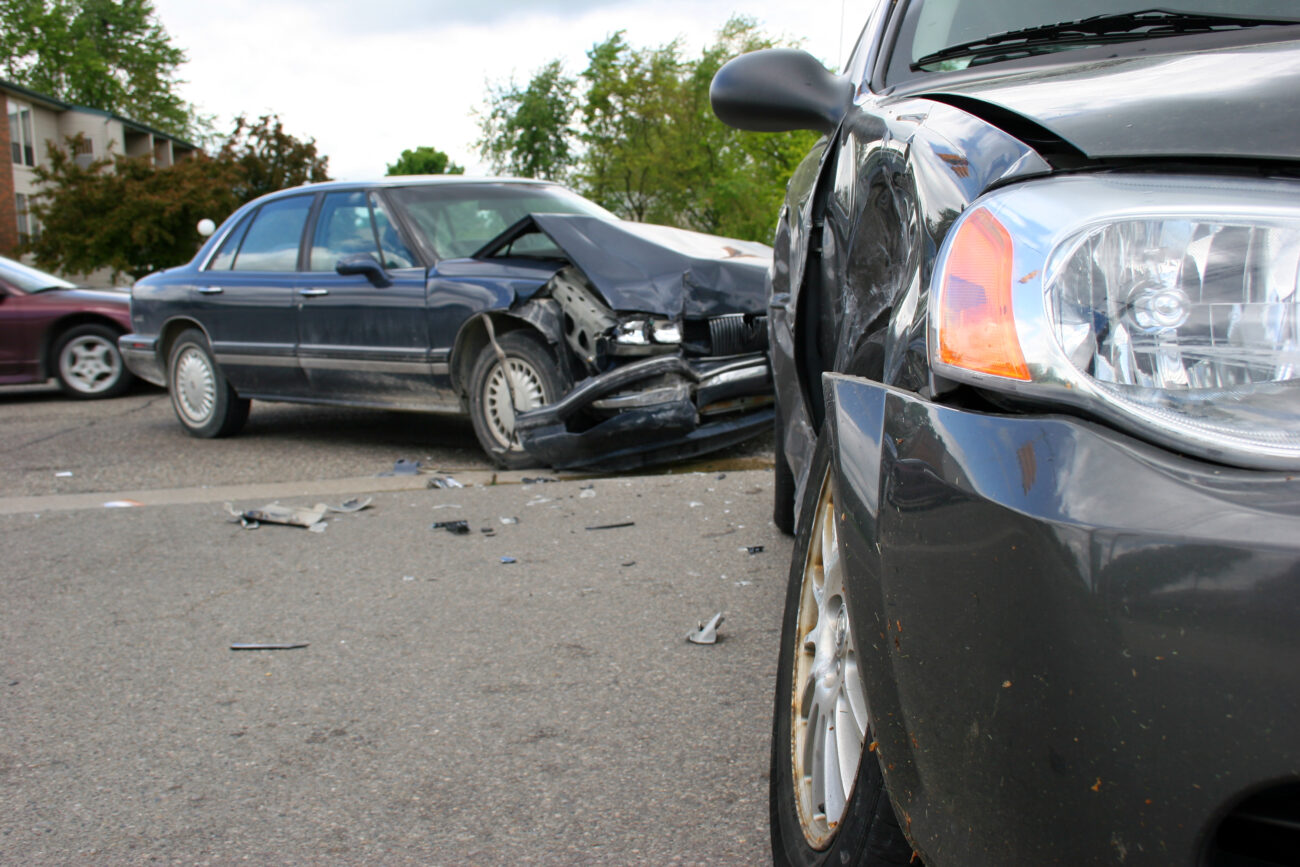
Why does this matter for Baltimore car insurance? Because stop-and-go traffic in a tunnel is a recipe for rear-end collisions. When you’re creeping along at 20 mph, and the car in front of you slams on their brakes, you don’t have much time to react. These low-speed crashes are the most common type of accident in congested corridors.
And every accident, even a minor one, can affect your insurance rates.
The Baltimore Harbor Tunnel: Even Slower
If you think the Fort McHenry Tunnel is bad, the Baltimore Harbor Tunnel (I-895) might be worse. Southbound I-895 from Rosedale through the Harbor Tunnel had the slowest average hourly speeds of any corridor analyzed in 2024: just 19.17 mph during the morning peak.
That’s slower than a casual bike ride.
The Harbor Tunnel corridor is 7.5 miles long. At 20 mph, a trip that should take about 7 minutes at highway speed takes 22 minutes. That’s 15 extra minutes of exposure to accident risk.
I-695: The Beltway That Never Sleeps
The Baltimore Beltway (I-695) is the region’s main artery, and it’s consistently one of the most congested corridors in the area.
The Baltimore Metropolitan Council’s congestion analysis identified the top bottlenecks on I-695:
- I-695 Outer Loop at Edmondson Avenue (Exit 14): Average daily duration of 2 hours 43 minutes of congestion, with 834 incidents recorded
- I-695 Inner Loop at I-83 (Exit 23): 2 hours 56 minutes of daily congestion, with 463 incidents
- I-695 Inner Loop at I-70 (Exit 16): 2 hours 54 minutes of daily congestion
- I-695 Outer Loop at US-40 (Exit 15): 1 hour 48 minutes of daily congestion, with 766 incidents
These aren’t just numbers. Each incident is a crash, a breakdown, or a close call. Each one represents someone’s bad day.
When you drive these corridors regularly, your risk of getting into an accident goes up. That’s why insurers look at how much you drive and where you drive when setting your rates.
I-95: The Highway That Connects Everything
I-95 runs through Baltimore and connects the city to Washington, D.C., Philadelphia, and beyond. It’s also a constant source of congestion.
The Baltimore Metropolitan Council identified these I-95 bottlenecks:
- I-95 North at MD-100 (Exit 43): 1 hour 22 minutes of daily congestion
- I-95 North at MD-295 (Exit 52): 1 hour 50 minutes of daily congestion, with 641 incidents
- I-95 North at MD-175 (Exit 41): 1 hour 12 minutes of daily congestion
These are high-volume corridors. The average daily traffic on I-95 at MD-100 is over 95,000 vehicles. More cars means more chances for something to go wrong.
Why This Matters for Your Insurance
Okay, so traffic is bad. What does that have to do with your premium?
More time on the road means more risk. The longer you’re driving, the more likely you are to be in an accident. If your daily commute takes you through the Fort McHenry Tunnel or along I-695 during rush hour, you’re spending more time in high-risk environments.
Accidents happen more frequently in congested areas. Low-speed rear-end collisions are the most common crash type in stop-and-go traffic. Even if you’re not at fault, filing a claim can affect your rates.
Uninsured drivers are a real problem. About 17% of Maryland drivers are on the road without car insurance. In congested areas where accidents are common, the odds of being hit by an uninsured driver go up. That’s why uninsured motorist coverage matters.
Your ZIP code’s accident rate affects your base rate. If you live in an area with high claim frequency, you pay more. That’s just how the system works.
How to Protect Yourself on Baltimore Roads
You can’t avoid traffic, but you can reduce your risk by:
- Leave more space. Tailgating in stop-and-go traffic causes rear-end collisions. Give yourself at least three seconds of following distance.
- Stay alert. Tunnel driving is monotonous, and it’s easy to zone out. Keep your eyes moving and watch for brake lights ahead.
- Avoid peak times if you can. If your schedule allows, driving outside of rush hour means less congestion and lower accident risk.
- Check your coverage. Make sure you have uninsured motorist coverage. With 17% of Maryland drivers uninsured, it’s essential protection.
- Consider your commute when choosing coverage. If you drive long distances or through high-congestion areas daily, comprehensive and collision coverage might be worth the cost.
Protect Yourself on Baltimore’s Busiest Roads
Driving in Baltimore means dealing with some of Maryland’s worst traffic. The Fort McHenry Tunnel, the Harbor Tunnel, I-695, and I-95 are all congestion hotspots that increase your accident risk.
You can’t change the traffic, but you can make sure you’re covered when something goes wrong.
If you need car insurance in Maryland and you’ve been turned down elsewhere, we can help. We specialize in MAIF policies for drivers who’ve been rejected by private insurers. We also help drivers find affordable automobile insurance in Maryland that fits their budget and their commute.
Call MAIF Insurance Online at 301-476-4887 or get a free quote online. Let’s get you covered before your next drive through the tunnel.